Serving Jurupa Valley, CA and surrounding areas.(951) 555-0159
SkyVale Jurupa Valley Concrete

Concrete Contractor in Claremont, CA, Working Around Its Trees

SkyVale Jurupa Valley Concrete lays drives, walks and patios in Claremont, 16 miles northwest of our Limonite Avenue yard. The city keeps over 25,500 trees of its own, and on this ground they set the terms.

Google reviewsFacebook reviewsBetter Business Bureau reviews5.0 Stars Rated by our customers · Google, Facebook and the BBB
A new concrete walk beside a mature street tree in Claremont

Why the Tree Comes First in Claremont

The city looks after more than 25,500 trees of its own, many of them past 100 years old, and its written policy is that the tree outranks the concrete beside it.

That is not a sentiment, it is a specification. Any root over two inches has to be cleared by the city arborist before it is cut, no more than a third of a root system may be removed, and what is cut must be taken back at least four inches from the new hardscape and backfilled the same day. Where a root cannot be lost, the manual gives three ways out: taper the walk to no less than 42 inches, ramp it over the root at no more than a foot of rise in 12 feet, or bend it around the trunk.

Working to that is what separates a panel that lasts from one the city takes issue with. We mark the trunk, expose the roots by hand before a saw goes anywhere near them, and set the pour depth off what we find rather than off a standard detail. Where the frontage sits in public right-of-way the city ramps a trip hazard in asphalt first and repairs it permanently later, and where a city tree has damaged concrete on private ground the owner can put a claim to the City Clerk.

Concrete Work Claremont Actually Calls For

Three homes in four here were finished before 1980, so almost nothing we pour is a first pour. It is a replacement, and most of it sits inside the root plate of a city tree.

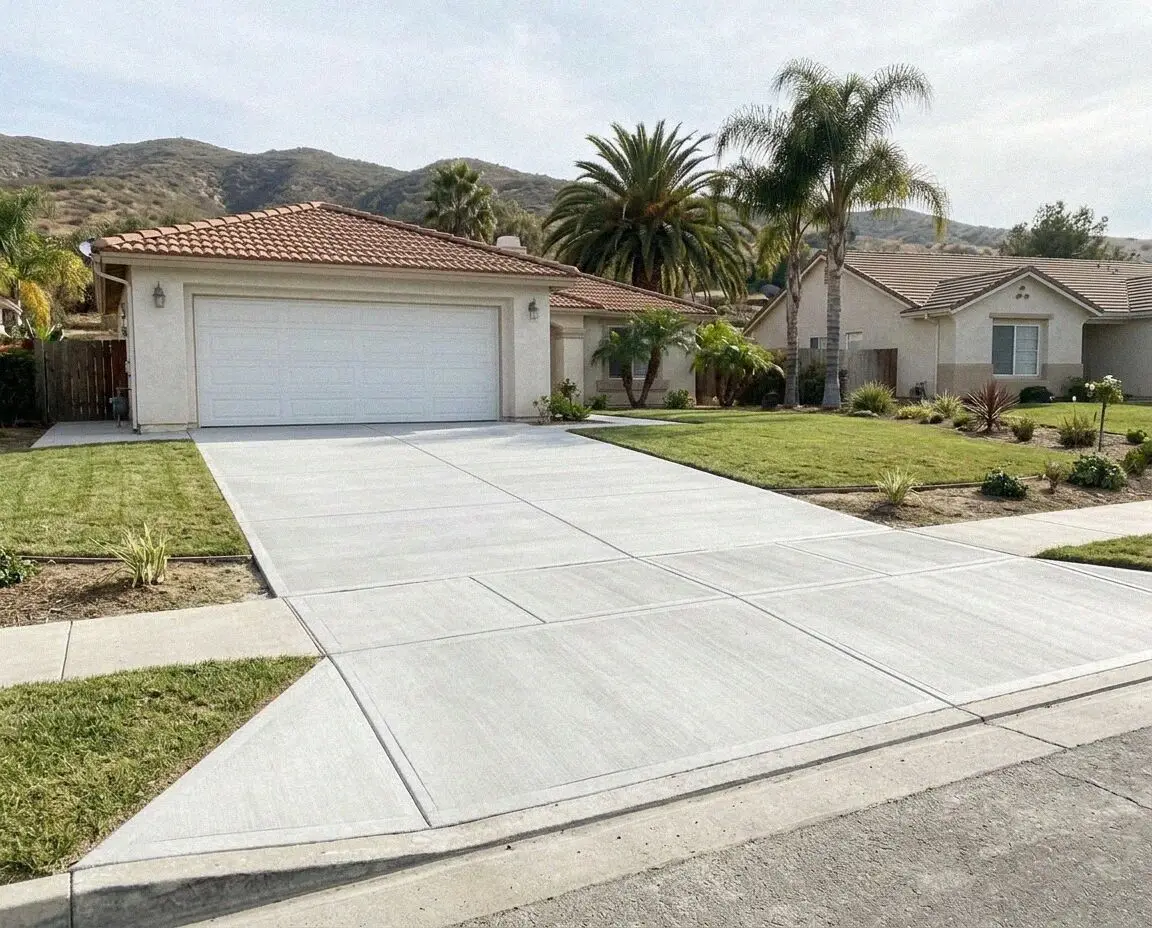
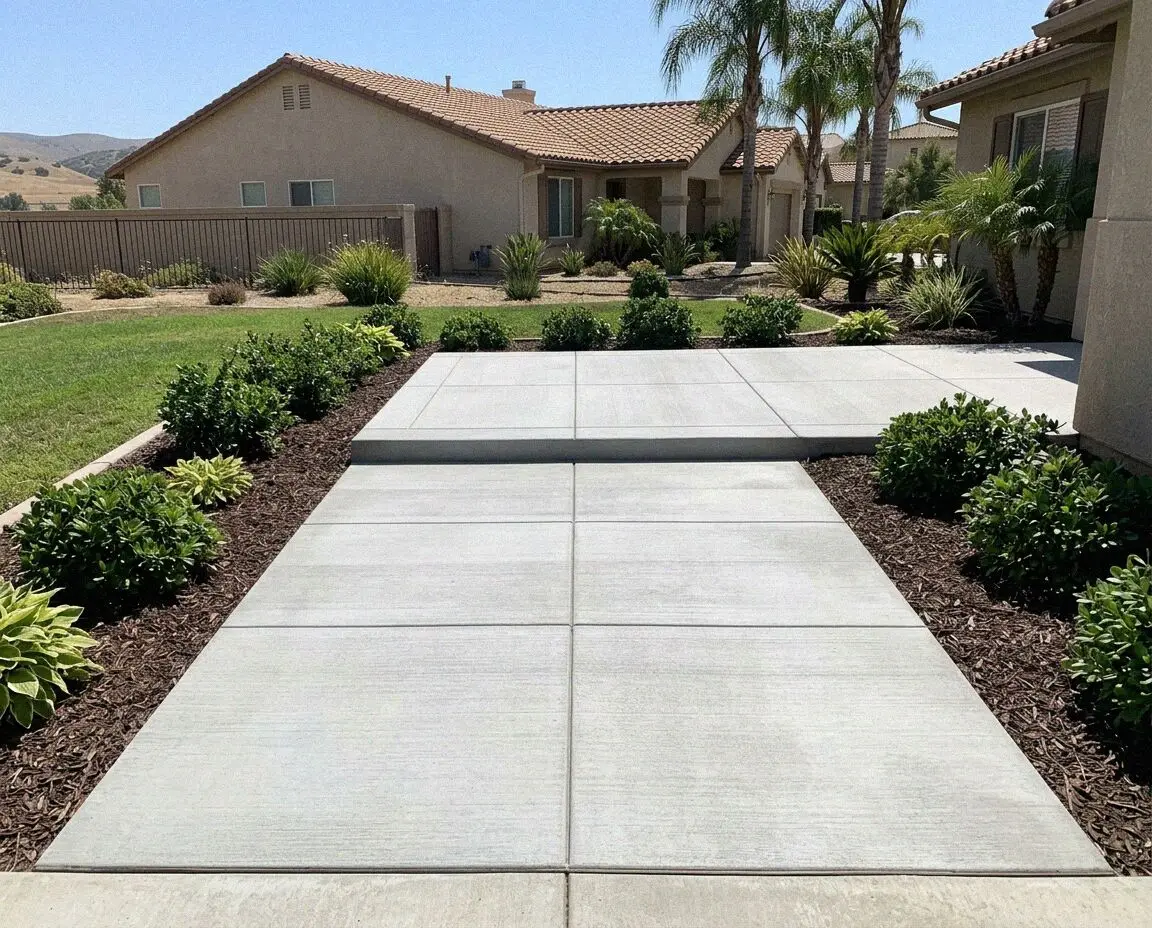
Newly poured concrete driveway running to a Jurupa Valley home

Concrete Driveway Building

Drives on the older streets were poured for one car, at 4 inches with no steel and often no base, and the parkway tree has since lifted the approach. Replacing the run without replacing that approach leaves the fault in place, so we take both and rebuild the base under them.

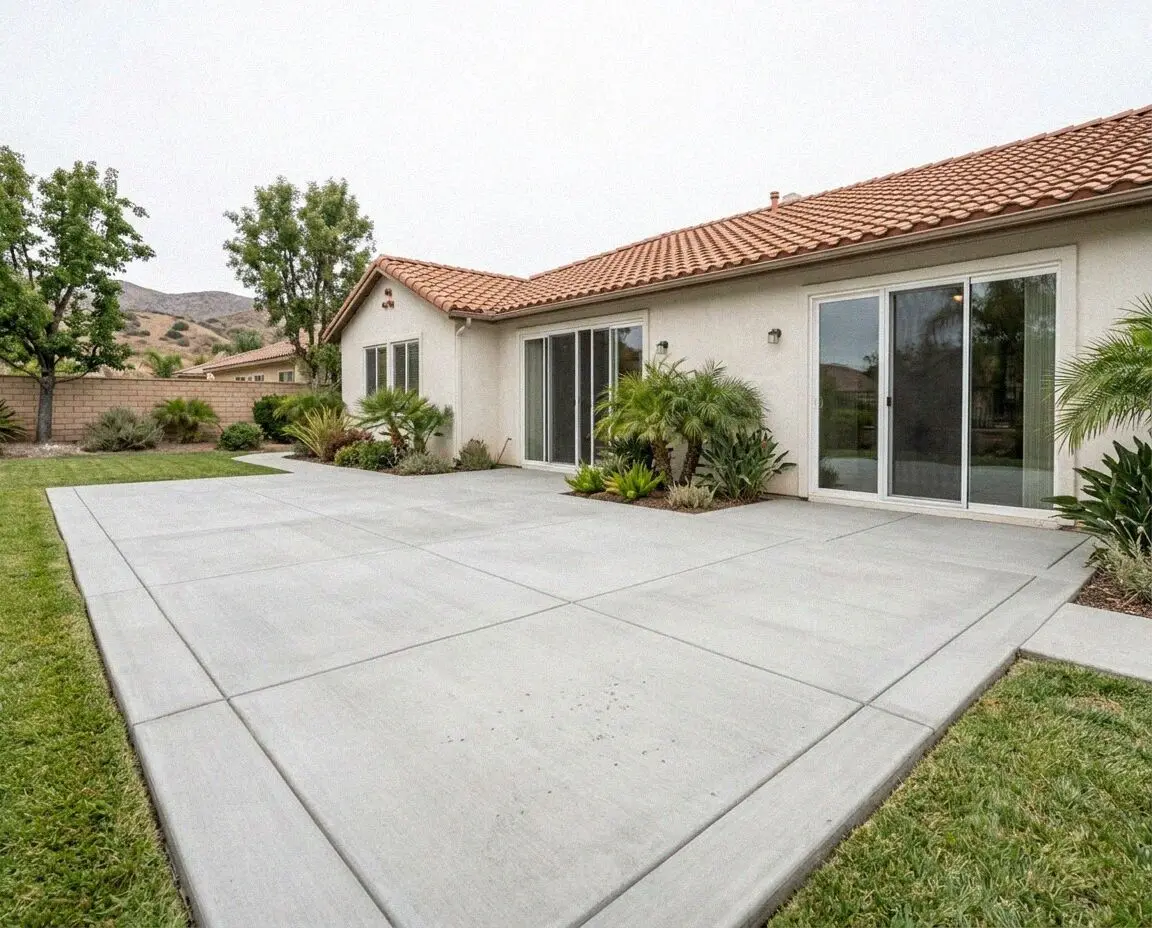
A wide sand-colored concrete patio behind a Jurupa Valley home

Concrete Patio Construction

Lots here are deep and shaded, which changes what a patio has to do. Concrete under a canopy stays damp, holds algae on a smooth trowel and never dries out after a wash, so we finish with a broom or a light exposed aggregate that grips wet and does not show leaf stain.

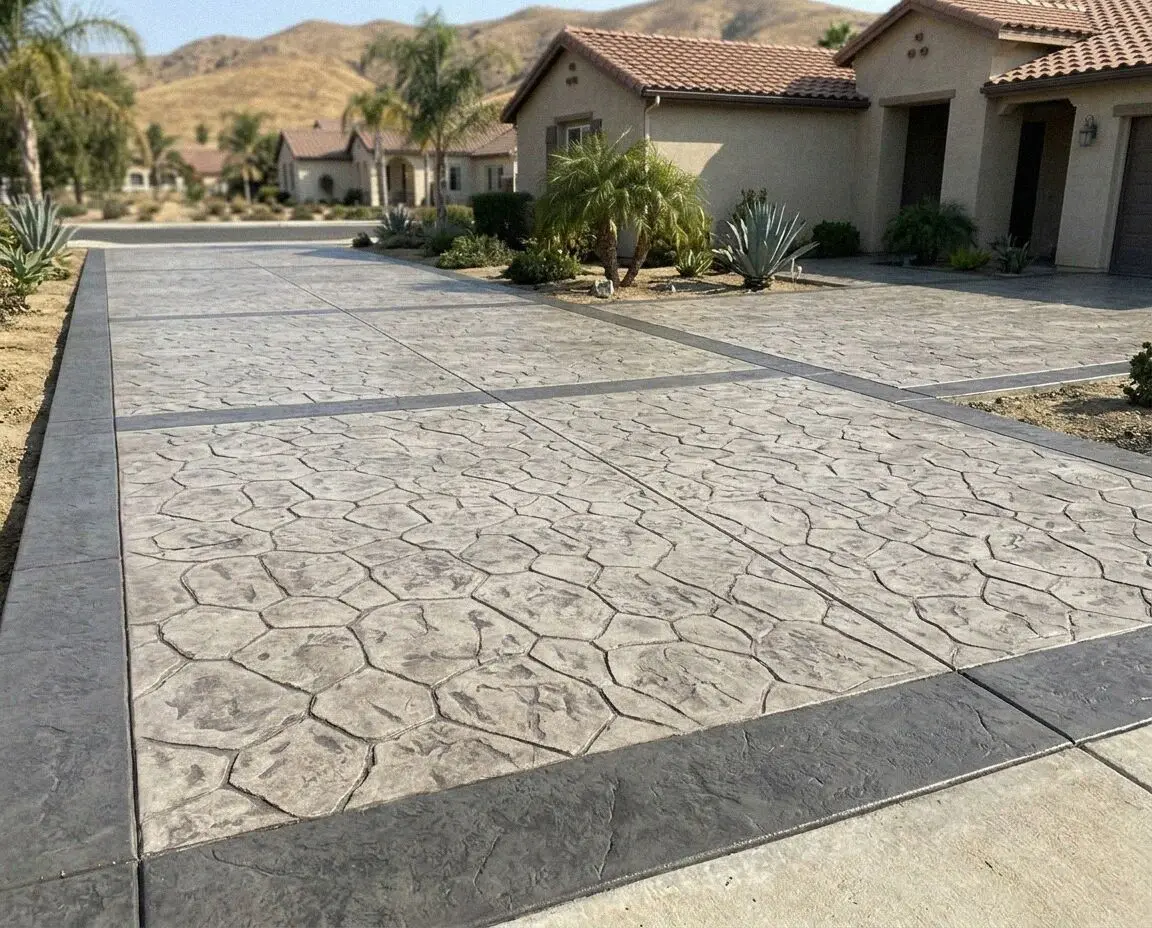
Stamped concrete patio in a slate pattern at a Jurupa Valley home

Stamped Concrete Services

Brick and tile are the local reference, from the Village storefronts to the college quadrangles, and a stamped running bond in an integral color answers them without the joints a brick apron opens up. It is cast into a 4 inch slab and sealed twice, so nothing needs resanding.

A newly poured sidewalk run at a Jurupa Valley home

Concrete Sidewalk Building

A lifted panel in front of a Claremont house is almost always a root, and the tree policy puts its health before the concrete. The walk can be tapered to no less than 42 inches, ramped at no more than a foot of rise in 12, or curved around the trunk. We build whichever fits.

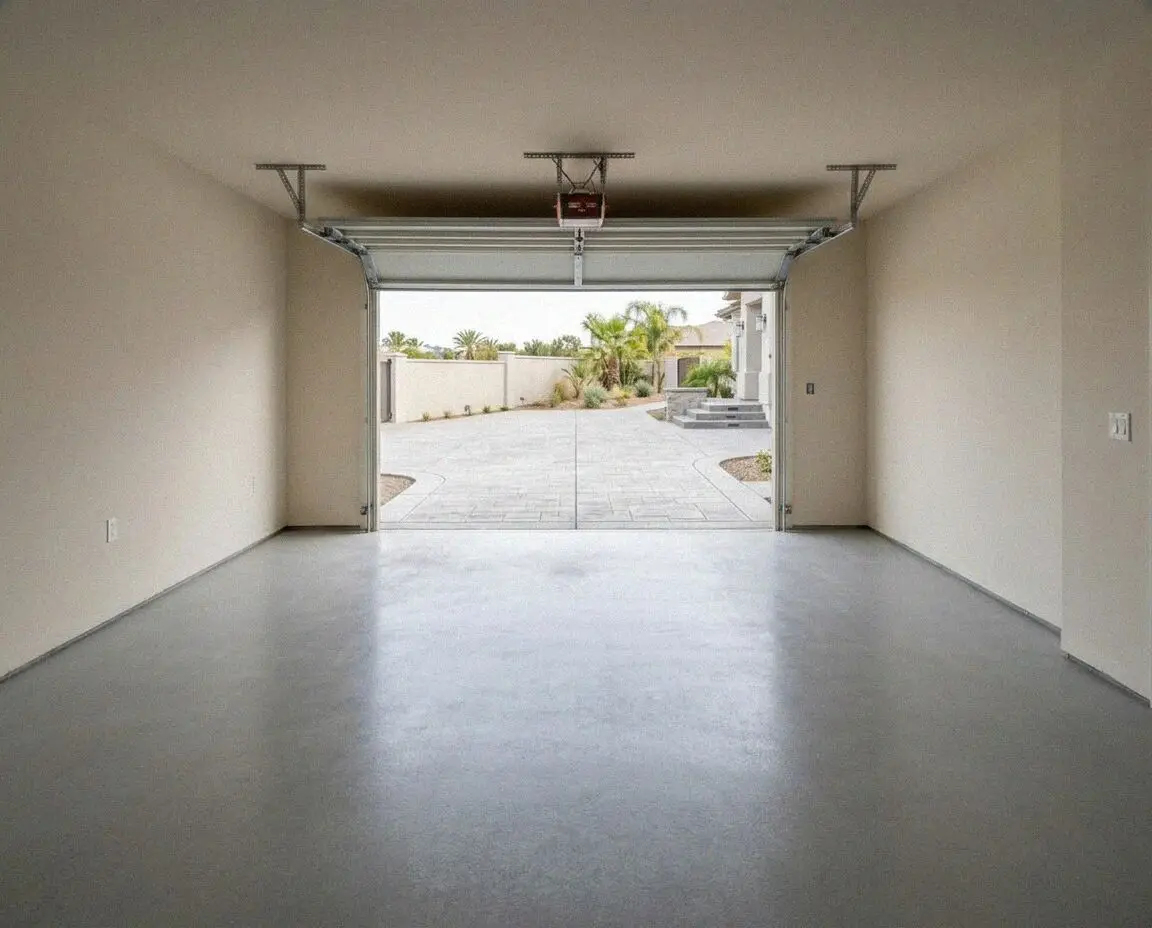
Finished concrete garage floor with sawn joints in Jurupa Valley, CA

Garage Floor Concrete

Detached garages behind the pre-war houses were built on a thin slab straight onto fan gravel, and 70 years of oil and settlement show as a surface that dusts and spalls. We break it out, put in the base and the vapor barrier that were never there, and pour back at 4 inches.

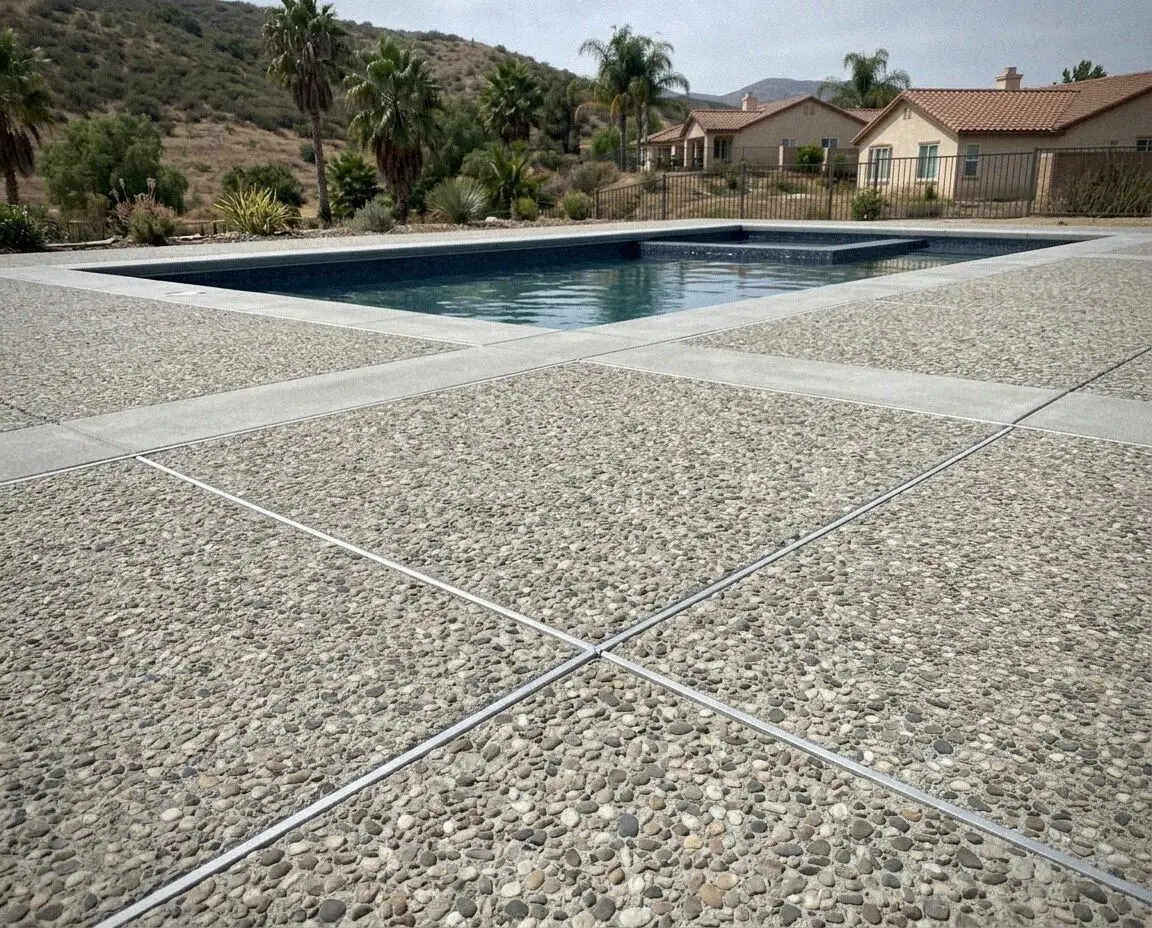
Washed aggregate and stained concrete at a Jurupa Valley home

Decorative Concrete

The gravel under this town is its own decorative material. A seeded or washed exposed aggregate finish shows the same rounded fan cobble the lot is founded on, which sits better beside a 1920s bungalow than a polished slab does, and it holds its grip on a shaded, damp path.

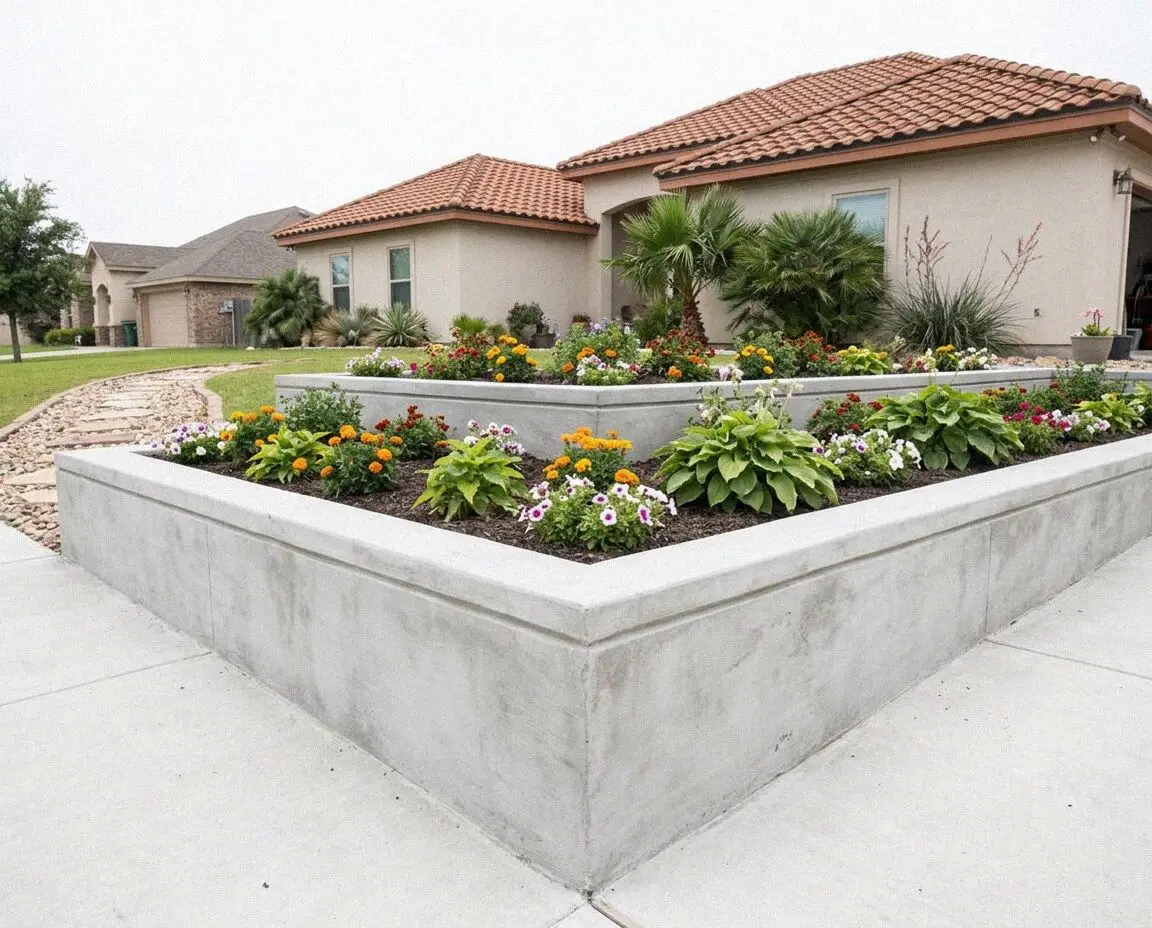
A finished concrete retaining wall holding a graded pad in Jurupa Valley

Concrete Retaining Walls

North of Base Line the land tilts up toward the canyon mouth and yards step in terraces. Walls here are footed into the coarse wash rather than onto it, and drained behind the stem with gravel and a pipe. Move more than 50 cubic yards and the city wants a grading permit as well.

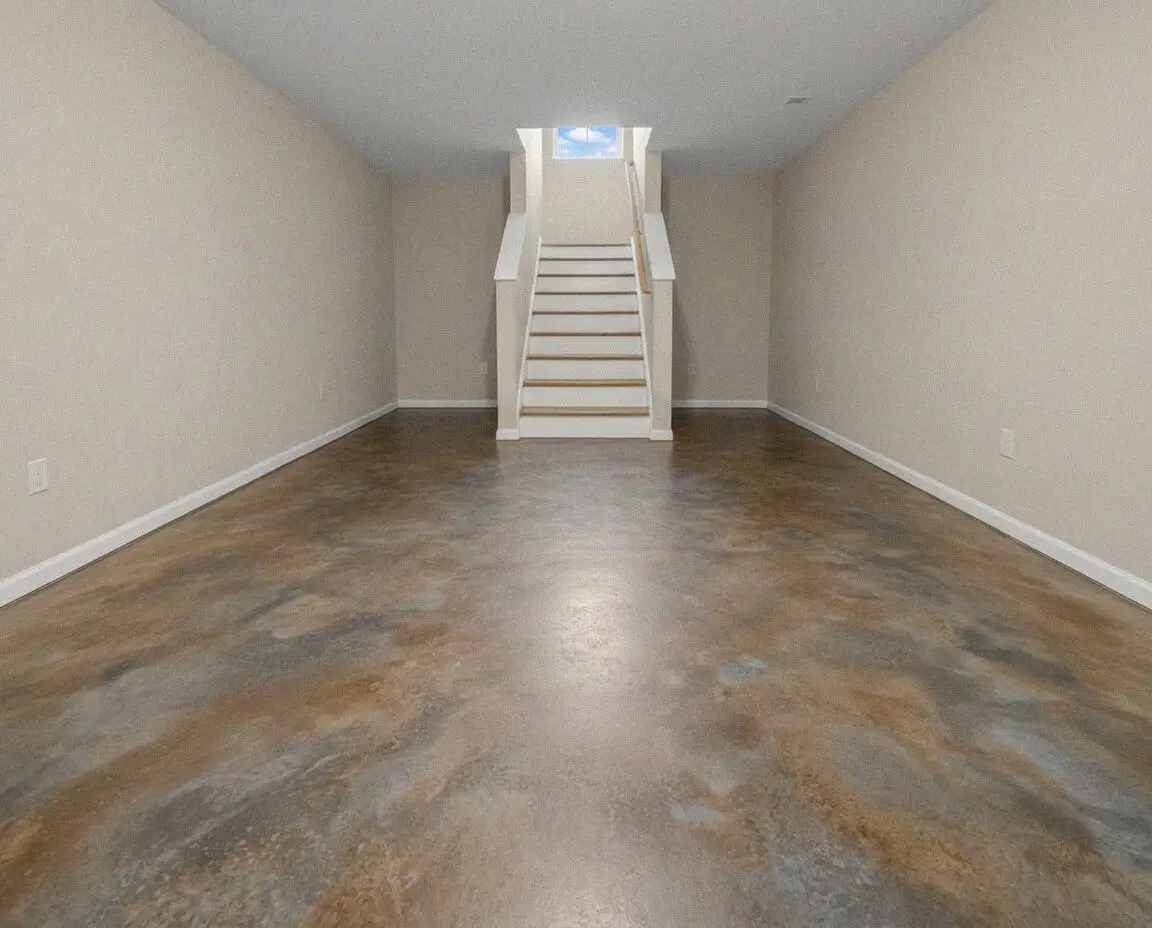
Power troweled interior concrete floor inside a Jurupa Valley ADU

Concrete Floor Installation

Garage conversions and rear units are the growth here, and each begins as a floor. A 10 mil barrier goes under the slab and the base is compacted below that, and moisture is checked before any coating, because a slab under a canopy reads wetter than the weather suggests.

Show All Concrete Services

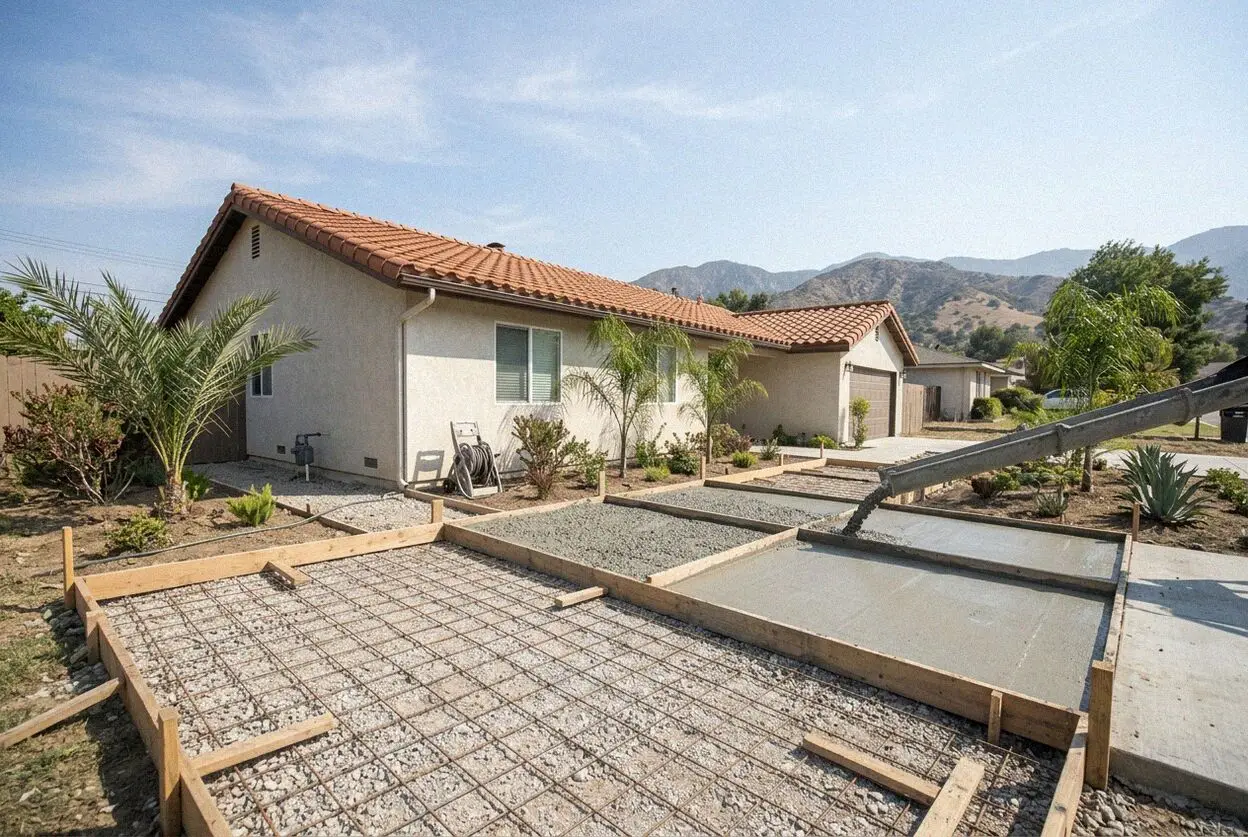
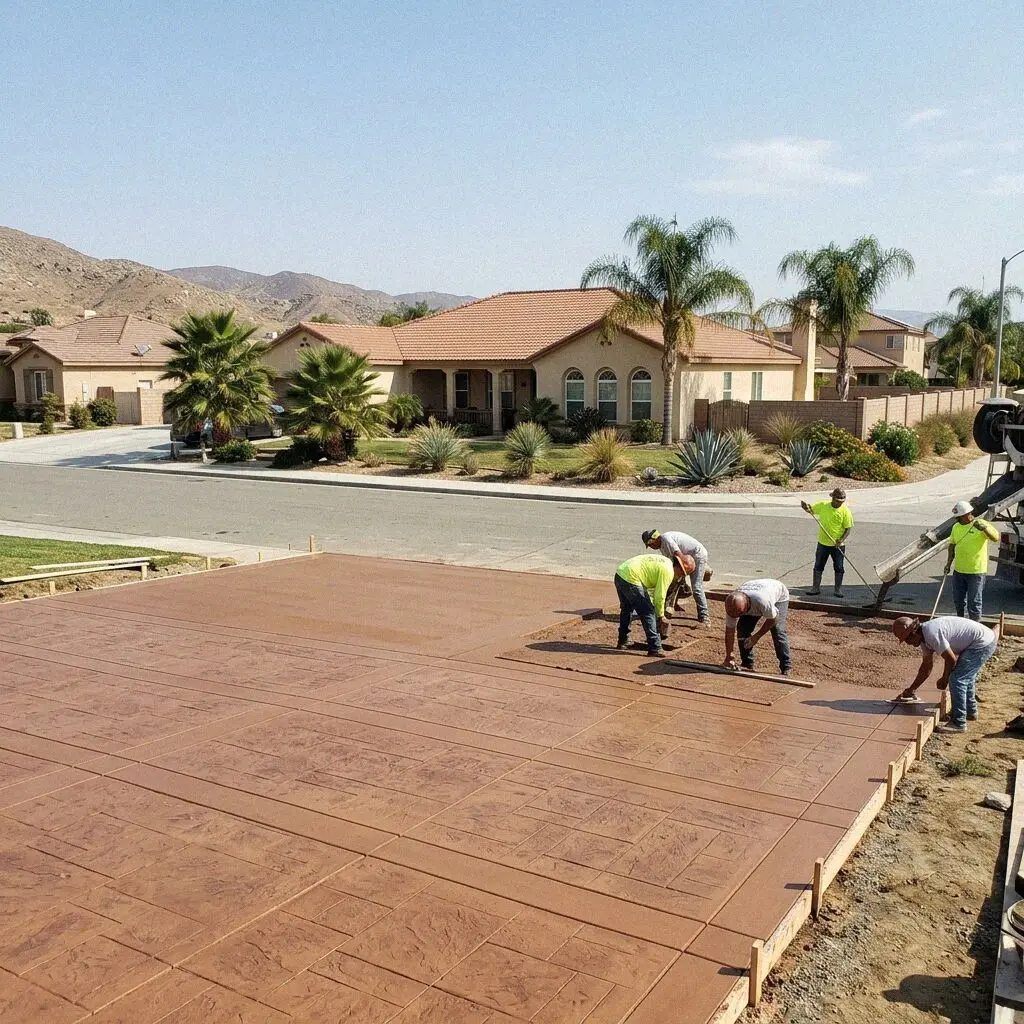
The SkyVale Jurupa Valley Concrete crew mid-pour at a home in the Jurupa Valley area

Three Things Claremont Decides Before We Start

The ground is a fan, not a valley floor. The soil survey maps most of the built-up town as a gravelly Palmview and Tujunga complex, and north Claremont as Soboba - a sandy-skeletal wash soil, meaning better than a third of its volume is rock. That is free-draining and strong once compacted, but a trench through it hits cobbles all day, and a base laid on it has to be graded rather than simply rolled.

Both counters sit at 207 Harvard Avenue. The Building Division takes plan sets by email and opens 7:00 to 5:30 Monday to Thursday on 909-399-5477. Engineering, on 909-399-5465, issues the encroachment permit, and its own scope reads construction or repair of curbs, gutter, sidewalks, and driveway approaches, mail boxes, garden walls and fences. We file both.

Then the age of the house. Of 12,530 homes counted here, 1,099 date from 1939 or earlier and the 1950s and 1960s account for 5,494 between them, which puts most original flatwork at 60 to 75 years old - twice the 30 to 40 years a well-poured slab is built for. Around the Village and the colleges the frontages are narrow and the parkway is planted, so the truck stays in the street and the pour is barrowed in.


How a Job Runs on a Claremont Street

Four stages. The tree is surveyed before the concrete is measured, because on this side of the county line what can be cut decides the shape of the slab, not the other way round.

1

Measuring around the tree

Daniel Reyes measures the pour, marks every trunk within reach of it and notes which roots will be in the way.

2

Breakout and root work

Old concrete comes up, roots are exposed by hand, and anything over two inches waits for the city arborist to clear it.

3

Arborist and encroachment

Building takes the plan set by email and Engineering issues the right-of-way permit. You open no account and chase nothing.

4

Pouring and putting back

Base graded over the cobble, slab poured and jointed, backfill the same day. On it on foot at 24 hours, a car at 7.

Book a Free Measured Visit in Claremont

Call or send the form and we will come out with a tape and look at the trees as well as the concrete. Every estimate is measured and written on site - the tape comes out on the visit and the figure is left with you.

Request a Free Estimate

Written on site · No obligation

By submitting, you agree to our disclosure and consent terms, including being contacted by SkyVale Jurupa Valley Concrete.

Reviews

What Owners on These Old Streets Say

These are our own, written by the people whose jobs this page describes: frontage panels rebuilt around city trees, and drives taken out right through to the approach.

Google review

“They measured our driveway on a Tuesday and handed me the written estimate before they left. The crew was on site four days, poured 540 square feet at 5 inches in one morning, cut the joints that afternoon, and after its first summer over 100 degrees there is not a crack in it.”

Facebook review

“A tree root had lifted the same sidewalk slab three winters running. They cut the root back, set a root barrier, poured the new section 4 inches on compacted base and pulled the right-of-way permit themselves. Ten months on it is still flat.”

BBB review

“Our patio was original to the house, 1980s and crumbling. Daniel walked the base prep with me before they started: they dug out the clay, packed gravel in layers, poured 300 square feet in ashlar slate and sealed it at 28 days. It looks like cut stone.”

Six Things Claremont Owners Want Settled

Six answers for a town of old houses, deep parkways and a tree policy with numbers in it, rather than six answers that would fit anywhere in Los Angeles County.

(951) 555-0159
  • What adds most to the figure on a Claremont job?

    Whatever has to come out before anything goes in. Sixty-year-old concrete with no base under it is a full breakout and a rebuilt subgrade, and a root plate under the frontage adds hand digging and an arborist visit that a bare lot never needs. Area, thickness and finish follow. Every estimate is measured and written on site.

  • Who signs off work in front of a Claremont house?

    Two divisions at one address. The Building Division at 207 Harvard Avenue takes the building permit; Engineering, in the same building, permits anything sitting in public right-of-way, and its own list of that reads curbs, gutter, sidewalks and driveway approaches, mail boxes, garden walls and fences. Move over 50 cubic yards and a grading permit joins them.

  • Can you replace a walk without losing the tree?

    Usually, and the city publishes the three ways. The walk can be tapered down to 42 inches, ramped over the root so long as the rise is under a foot in 12 feet, or curved around the trunk where the easement is wide enough. A root over two inches is only cut once the city arborist has cleared it, and never more than a third of the root system. It is the sidewalk work we are asked for most.

  • Why does digging in north Claremont hit cobbles?

    Because that end of town is the toe of a canyon wash. The soil survey calls it Soboba, a sandy-skeletal soil, which means rock fragments make up better than a third of its volume - rounded cobble carried down and dropped. It drains beautifully and compacts hard, but it slows a trench, and it is why a base here is screeded to level rather than rolled flat.

  • Will new concrete match a 1950s Claremont house?

    It can, and the finish is where that is decided rather than the mix. A washed exposed aggregate picks up the same rounded fan gravel the town sits on and reads close to period flatwork; a smooth power trowel does not. On a frontage the city also has a say in width and line, so we agree the finish on the visit and confirm the geometry with Engineering.

  • How long does a Claremont job keep the walk closed?

    Two to three days on site for a drive or a frontage, with the walk barriered rather than closed wherever the width allows it. You can use the new slab on foot after 24 hours and park on it after 7 days. Root work is what stretches a job here, so we book those days consecutively rather than coming back for an afternoon.

Towns We Cover Around Claremont

Twenty towns across four counties are worked from one yard, and Claremont is one of the four we reach inside Los Angeles County. Where a boundary runs down a street, go by which city the lot itself is in.

Show All Areas We Serve

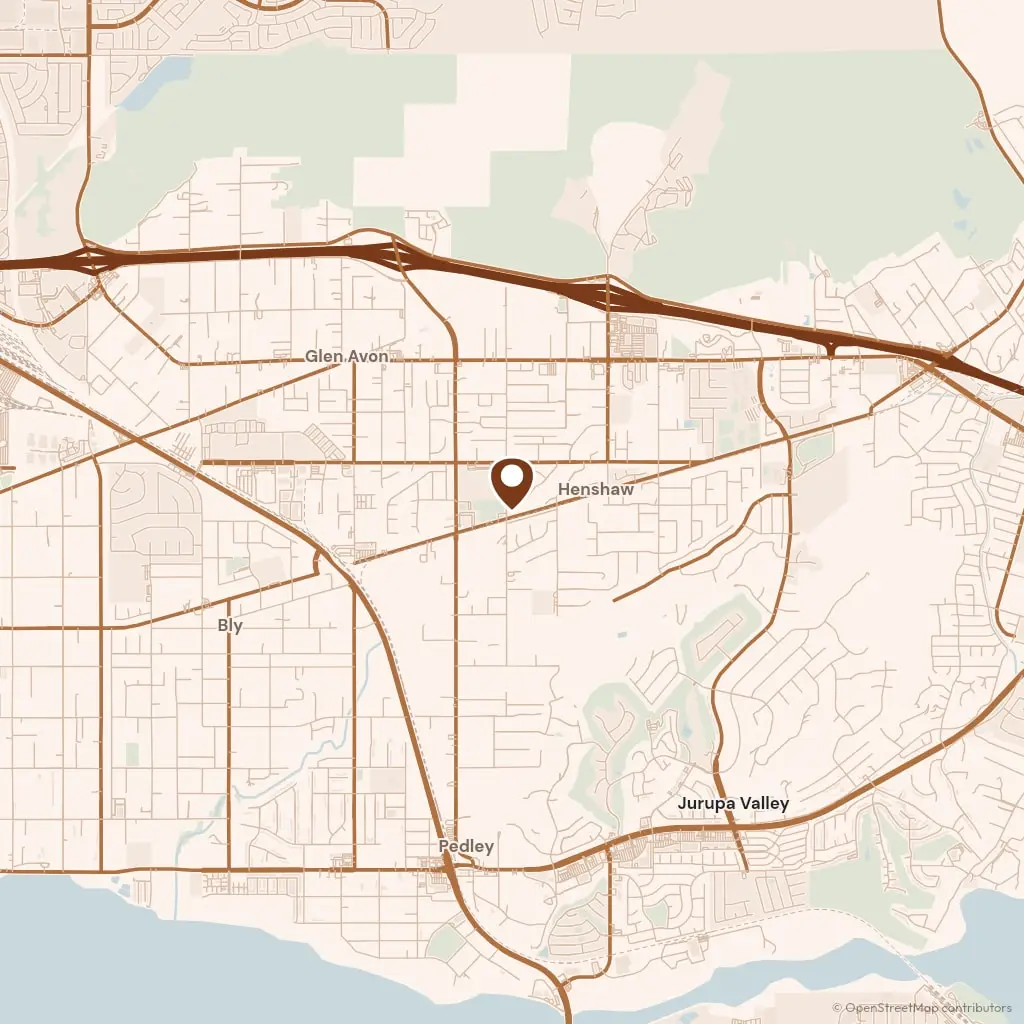
Map showing SkyVale Jurupa Valley Concrete in Jurupa ValleyOpen the Jurupa Valley Office in Google Maps
SkyVale Jurupa Valley Concrete

Need Concrete Work Done in Claremont?

One message naming your street and the job is enough to start. You hear back within 1 business day, the visit is free, and nothing is owed if you decide against it.