

Serving Jurupa Valley, CA and surrounding areas.(951) 555-0159
SkyVale Jurupa Valley Concrete

Foundation Raising in Jurupa Valley, CA, Without a Tear-Out

SkyVale Jurupa Valley Concrete raises settled concrete through 5/8-inch ports, filling what washed out below until the slab carries its load again. Every estimate is measured and written on site.

Google reviewsFacebook reviewsBetter Business Bureau reviews5.0 Stars Rated by our customers · Google, Facebook and the BBB
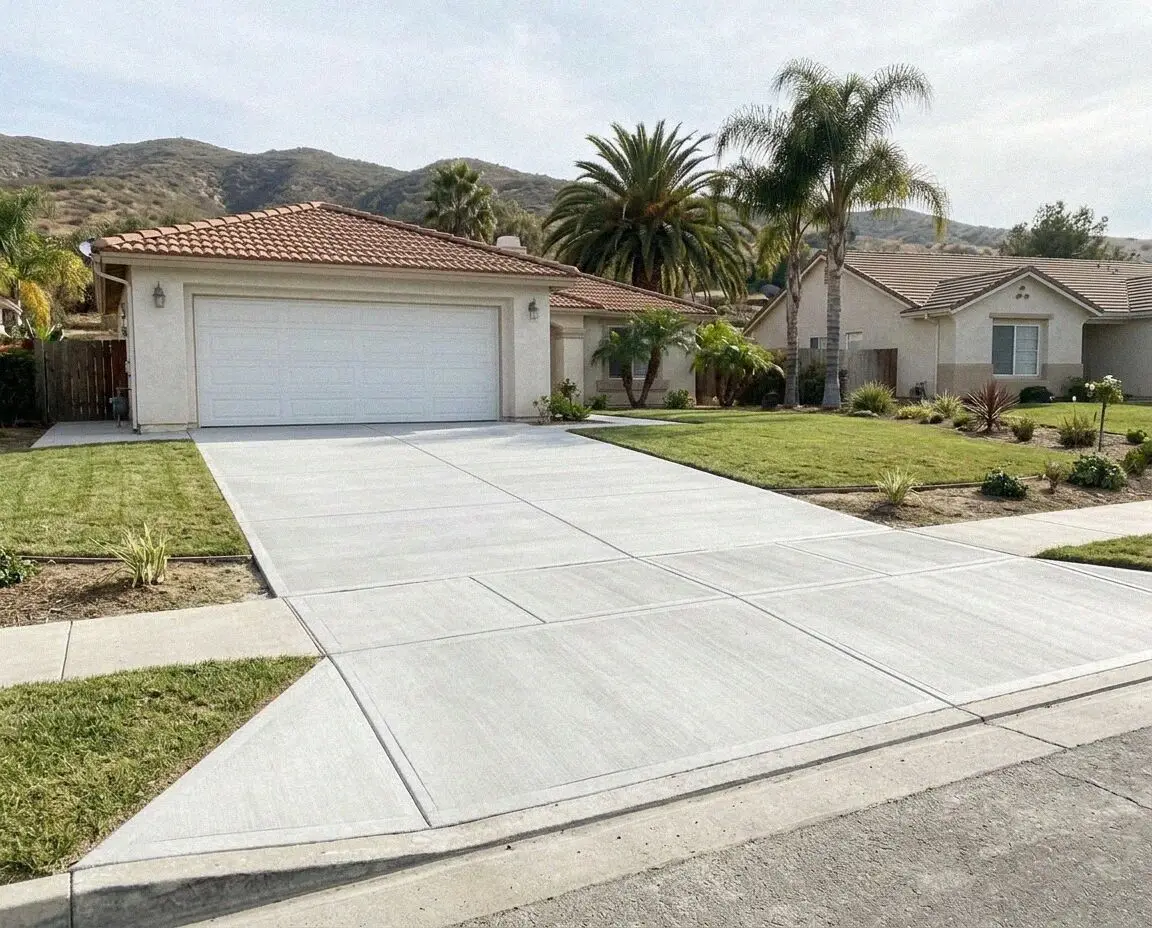
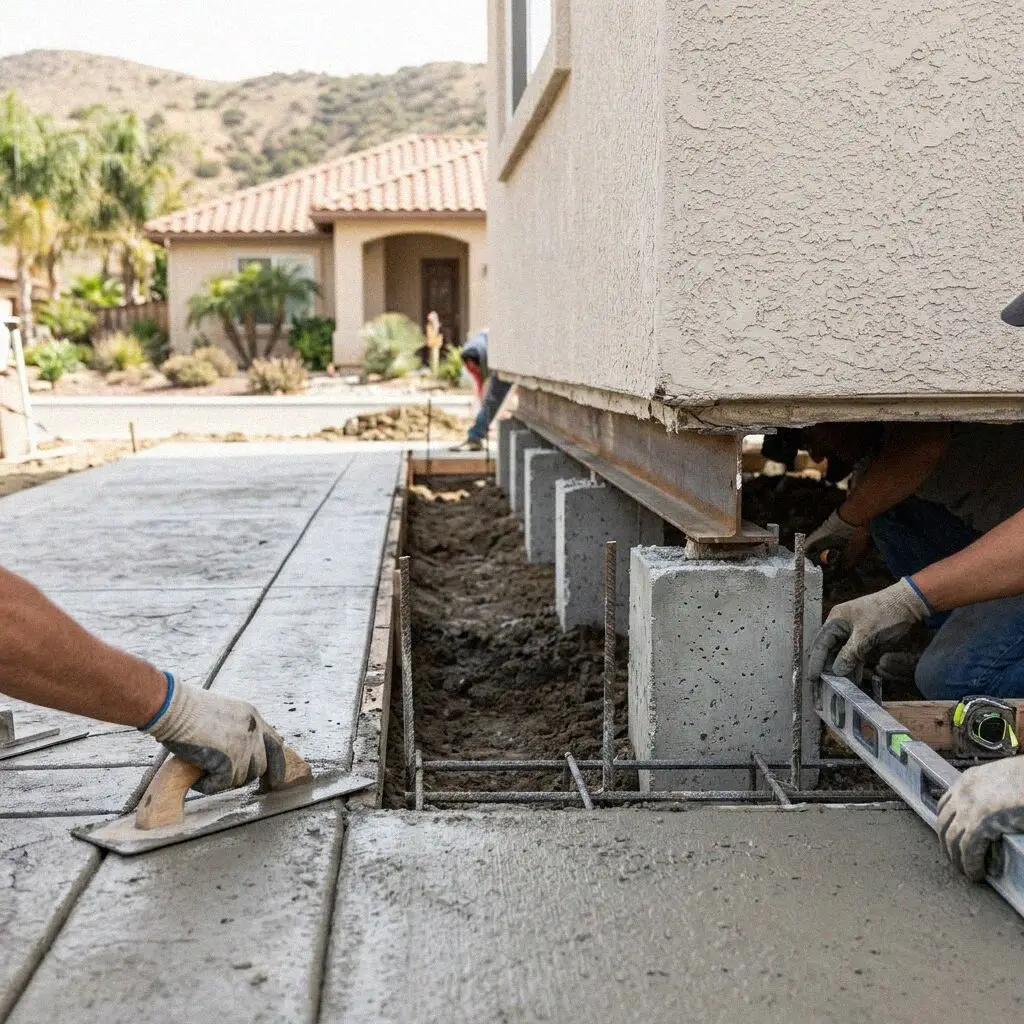
Injection ports drilled through a settled slab in Jurupa Valley
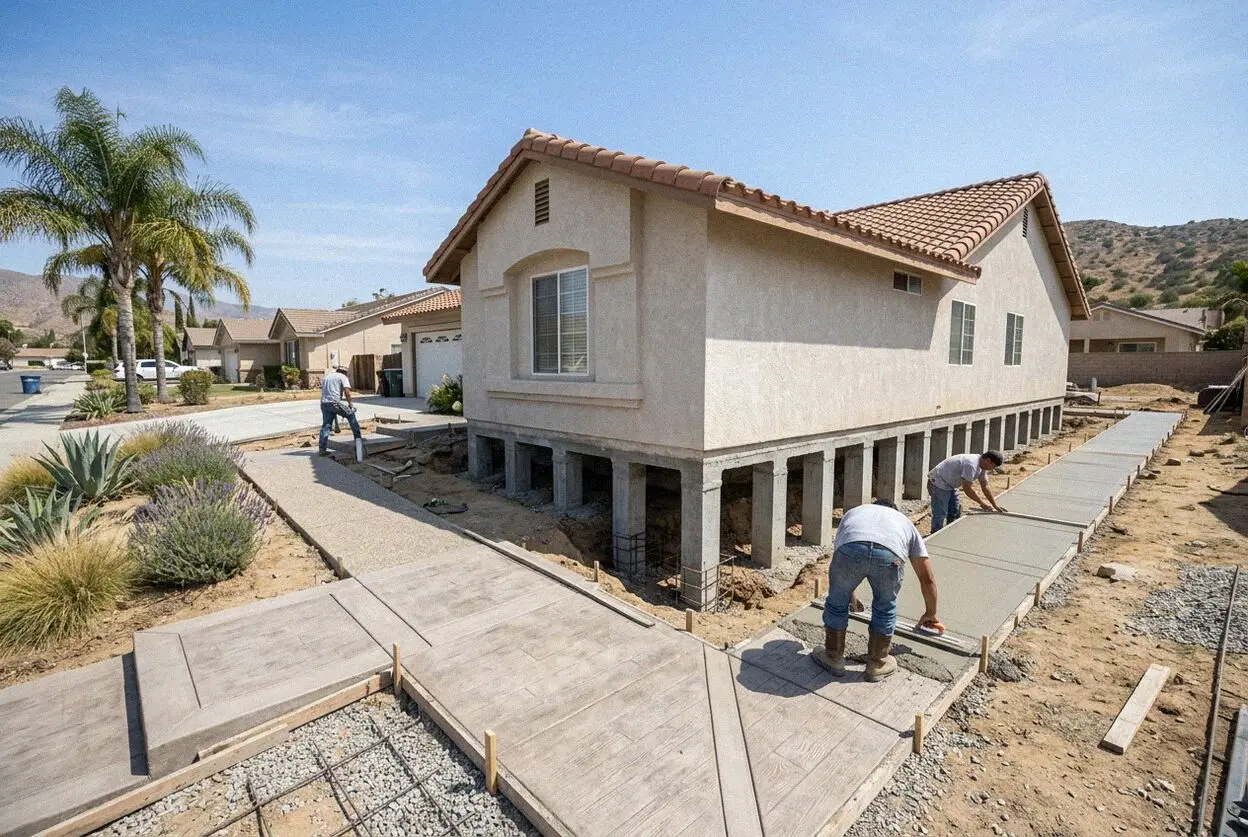
Crew running foam hoses to a settled slab in Jurupa Valley

Repair, not replacement

How a Settled Slab Is Raised in Jurupa Valley

Concrete does not sink. It is held up by whatever is under it, and when that material consolidates or is carried away the slab follows it down, leaving a space nobody can see. Raising it means getting something into that space that will take the load, then using its expansion to push the concrete back to the height it was finished at. The slab itself is never lifted from the edge and never taken up: the only thing done to it is the row of ports drilled to reach underneath.

Daniel Reyes founded SkyVale Jurupa Valley Concrete in 2025 after 12 years on Inland Empire crews, and he reads the levels across the floor himself before a hole is drilled. Most of what comes in is a garage floor dropped at the door, a walk that has parted company with the step it met, or a room where two doors stopped closing in the same winter. Some of it turns out to be past raising, and that is said standing on the slab rather than after the deposit.

Raising flatwork inside your own lot line is repair, and nothing is filed. Concrete carrying a wall is another matter: that is structural, it goes to the Building and Safety Department with a drawing behind it, and where piers are the answer an engineer sizes them and an inspector sees them in the open hole. The work runs under a CSLB C-8 concrete license with liability insurance on every job, and the lift carries a written workmanship guarantee against defects in how it was built.

Warning signs

How do you know a Jurupa Valley slab has settled?

A lip you catch a toe on

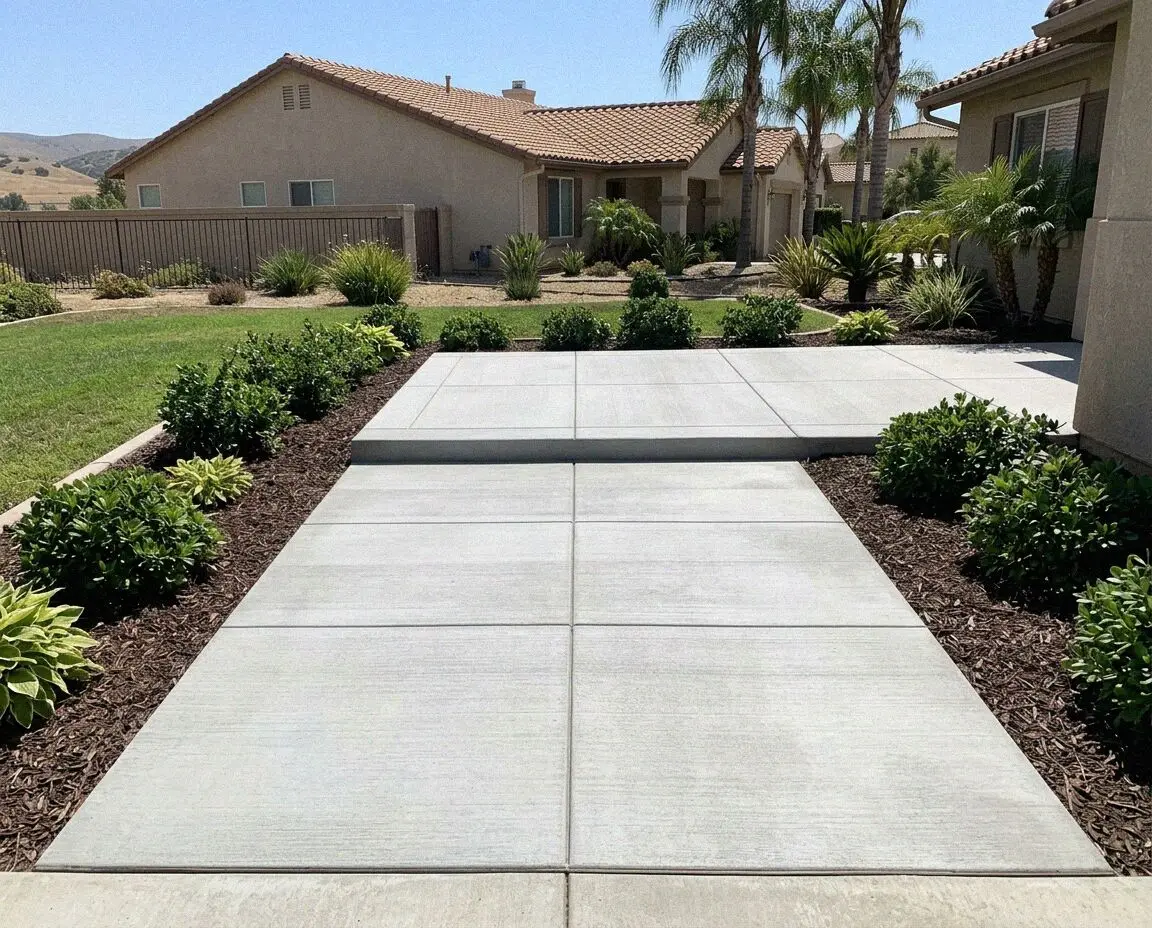
Two panels poured level on the same morning, and one now stands proud of the other. The joint between them did not move; the ground under the low side did. Half an inch of vertical offset is the point at which a walk counts as a trip hazard, and it grows every wet winter.
Daylight under the edge

Kneel at a free edge with a flashlight and look underneath. Where light passes through, or a tape slides into the gap, the concrete is spanning rather than bearing, and the thickness and the steel are carrying everything on their own until that cavity is filled again.

Doors that stopped closing

A door binding at one top corner, then a second door in the same room, is the floor reporting a slope the eye has not caught yet. Lay a level on the finished floor and read it right across: more than half an inch in ten feet is settlement below, not a door hung badly.

Water arriving at the slab

Walk the downspouts and the irrigation before anything else. A spout discharging a foot from the concrete, or a valve that has wept under a planter for years, is putting water exactly where it does the damage. Raise the slab and leave that running and the same corner drops again.

What is included

Every Jurupa Valley Slab Lift Includes

Standard on every lift, with nothing held back as an extra line. The order below is the order the day runs in, because a slab is measured before it is drilled and measured again the whole time material is going under it.

The levels read first

The floor is shot with a level end to end, so the drop is a figure written on paper before a single hole is drilled.

The water traced

Downspouts, irrigation lines and the fall of the ground are followed to find what has been carrying the fines out.

One cored hole

A core through the concrete gives the thickness, whether there is steel in it, and whether it was ever given a base.

The honest verdict

A slab past raising is written up as a tear-out, with the reason on the estimate rather than mentioned at the door.

Ports at 5/8 inch

Injection ports are set to the shape of the cavity found underneath, not to a fixed spacing copied off a chart.

The cavity filled first

Material fills the space and takes the weight before any lift begins, so the slab rises on support and not on pressure.

Raised to a mark

The concrete comes up to a mark watched throughout, and injection stops the moment it reads there rather than after.

Patched, back in use

Every port is patched flush in a matching mix, the site is swept, and the concrete takes a car again the same day.

Your options

Jurupa Valley Foundation Raising Options, Compared

Four answers to concrete that has dropped, judged on what each one can lift, how much of the property it disturbs, how soon the surface carries weight again, and the ground each one belongs on.

OptionWhat it raisesDisturbanceBack in useWhere it fits
Polyurethane foamDrives, garage floors, walks, interior slabs5/8-inch ports, nothing excavatedWithin the hour, cars includedSand washed out from under sound concrete
Mudjacking slurryHeavy flatwork sitting over firm groundTwo-inch holes and slurry to clear upOn foot the same day, cars at 24 hoursWhere added weight below is no risk
Push piers to bearingFoundations under a wall, on an engineer drawingHoles dug at the footing, planting outSeveral days, then backfill and repairMovement deeper than any fill reaches
Break out and repourConcrete too broken to come up in one pieceDemolition, haul-off, forms and a truckOn foot at 48 hours, cars at 7 daysThin, unsteeled or crazed old slabs

Foam suits river sand because it weighs almost nothing, slurry weighs more than the soil that failed, and piers are for a wall rather than a walk.

Foam hoses run to a dropped garage slab in Jurupa Valley

Local knowledge

What Puts a Slab Down in Jurupa Valley

Two things drop concrete here, and the mix is not either of them: what the ground is made of down on the flats, and what was put under the slab on the day it was poured.

Through Rubidoux and the low ground either side of the river the soil is Santa Ana River bottom sand, and what happens to it is not settlement in the ordinary sense. Water running through sand carries the fine material away and leaves the coarse behind, so the volume under a slab quietly reduces wherever the drainage runs wrong. The ground is not shrinking. It is leaving, a little at each wet season, and nothing shows above until the slab has lost its bearing.

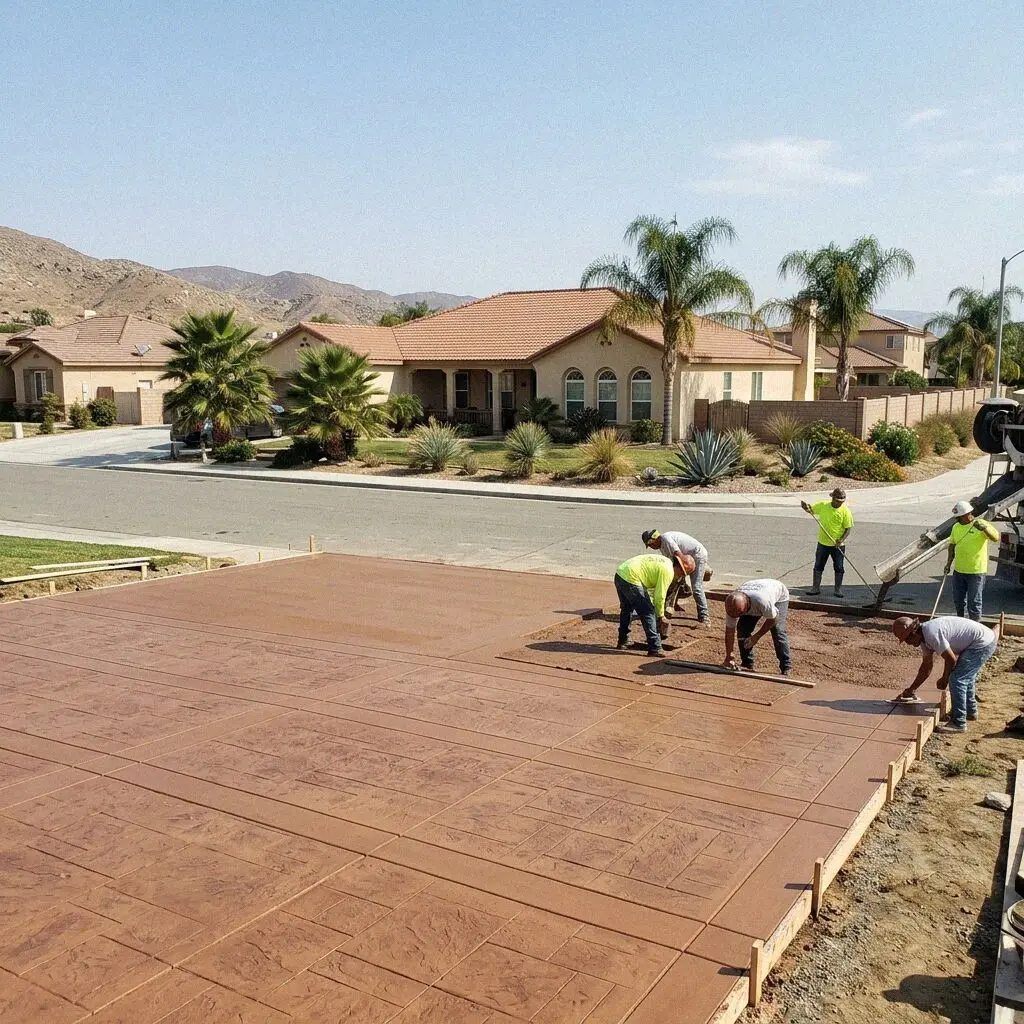
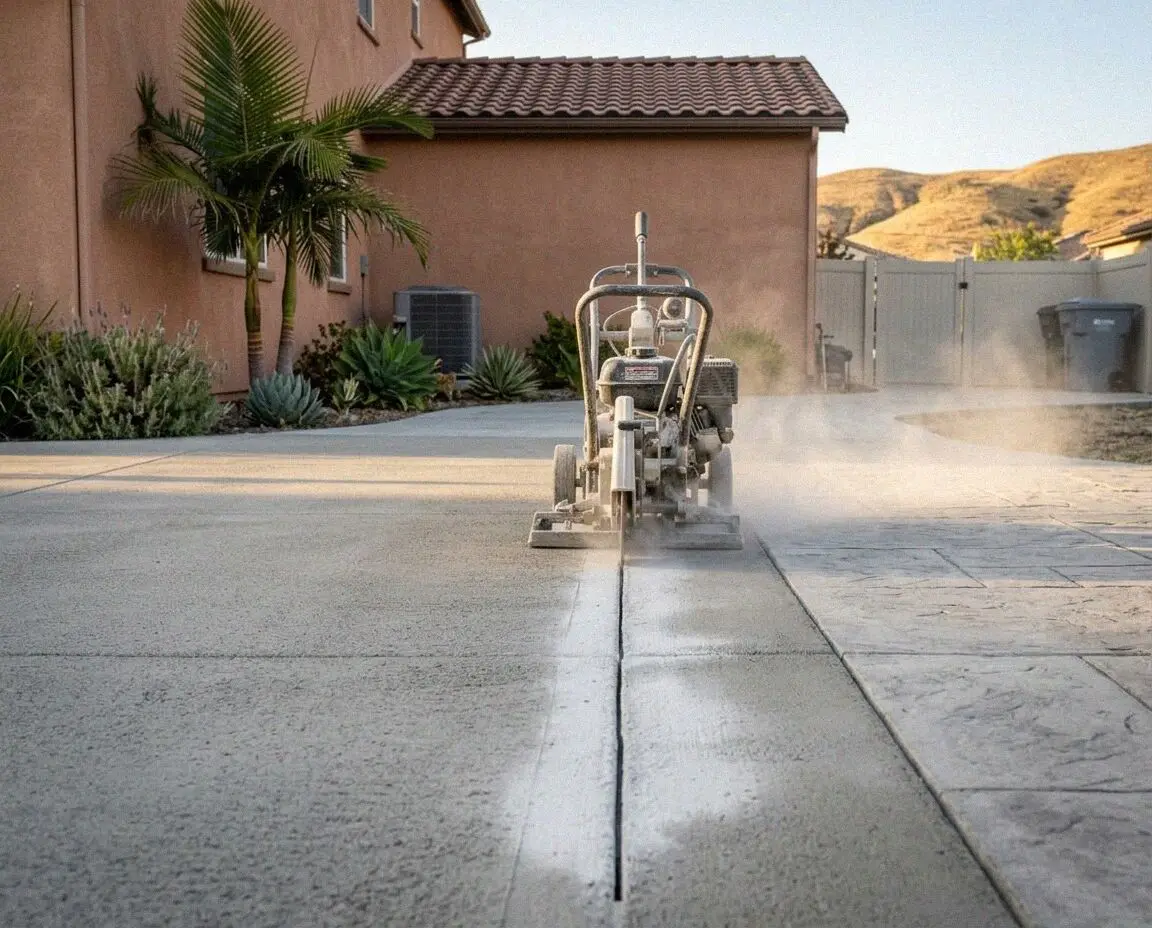
The second half is what the slab was given to sit on. Most of the concrete on these lots went down while this was unincorporated county land, before the city was formed in 2011, and much of it was placed straight onto graded dirt. That decides whether yours is a lift or a tear-out: 4 inches of sound concrete over a cavity comes back to grade in a morning, while 3 inches with no steel in it breaks up on the way. Where the answer is replacement the slab is saw cut out instead.

Our process

From First Call to a Level Slab in Jurupa Valley

One visit to measure, and on most jobs one day on site. The figure is written at the property, and the verdict on whether the concrete can be raised at all is given before anything is booked in.

1

The call and the visit

We call back within 1 business day and come out to read the levels across the slab, with the drop written down in front of you.

2

Cause found, slab cored

The drainage is traced to its source and one core is taken, recording the thickness, the steel and whatever base exists.

3

Ports drilled on a grid

Ports go in at 5/8 inch, set to the shape of the cavity underneath, and the cars and furniture stay where they are.

4

Cavity filled, then raised

Material fills the space until it carries the load, then the slab is brought up to a mark read on the level as it moves.

5

Patched, swept, guaranteed

Ports are patched flush, the site is swept back to the fence, and the written guarantee is handed over before we leave.

What moves the estimate

What Decides a Jurupa Valley Slab Lift Estimate?

The area of concrete sets the floor and the size of the cavity underneath sets the rest. What nobody can read from the surface is how much space is down there, which is why the levels and the core come before the figure.

How far it has to come up

An eighth of an inch of drop and two inches of drop are different volumes of cavity, and the cavity is what is being filled.

What stands on it

A garage floor with a work truck parked on it needs more support under the same square footage than a garden walk does.

Whether the water is fixed

A downspout re-run or a weeping irrigation line replaced is work itemized on the estimate beside the lift, not folded into it.

Access for the hoses

Hoses run from the truck to the slab, so a rear yard reached through a 36-inch gate is a longer set-up than a front drive.

The figure is written at the property once the levels have been read, and we call back within 1 business day to arrange that visit. (951) 555-0159 or send us a message.

Ready to find out if your Jurupa Valley slab will lift?

Send the form and we call back within 1 business day to book a time. We read the levels, take one core and tell you whether this is a lift or a tear-out, with the written figure left with you either way.

Request a Free Estimate

Written on site · No obligation

By submitting, you agree to our disclosure and consent terms, including being contacted by SkyVale Jurupa Valley Concrete.

Reviews

What Jurupa Valley Homeowners Say About Slab Lifts

Three reviews of raising work around here, left on Google, Facebook and the BBB. Each is about concrete brought back to grade rather than about a slab taken out and poured a second time.

Google review

“Our garage floor had dropped an inch at the door and I had already been quoted for a new one. Daniel cored it, showed me 5 inches of sound concrete with a hole under it, and the truck was parked back in there the same afternoon.”

Ray M. of Jurupa ValleyGarage floor lift · Google · 2026
Facebook review

“The front walk had parted from the porch step and every visitor caught a toe on it. They worked out the downspout was emptying right at that corner, re-ran it, then brought the two panels back up flush. Nine months and a wet winter later it has not moved.”

Alicia B. of RubidouxWalkway lift · Facebook · 2026
BBB review

“They told me the patio was too far gone to raise, which is not what I expected from somebody already standing there with the equipment. Three inches thick, no steel in it, cracked in a grid. They cut it out, poured it again and billed what the estimate said.”

Owen K. of Glen AvonAssessed, then repoured · BBB · 2025

FAQ

Questions About Foundation Raising in Jurupa Valley

What people want settled before they book a lift: whether the concrete will hold, how long the level lasts, what is left in the floor afterwards, and who decides a slab is past saving.

(951) 555-0159
  • How long does a raised slab stay level in Jurupa Valley?

    As long as the thing that dropped it stays fixed. The foam does not rot, absorb water or wash out, so the material under the concrete is not the limit on it. What brings a slab down a second time is the same spout or the same buried line still putting water where the fines are, which is why the drainage is traced before a hole is drilled and the repair to it is itemized on the estimate.

  • Can a slab that has already cracked be raised?

    Usually, if the pieces are large and sound. Concrete with one or two cracks through it comes up as sections, and the joint between them is filled and sealed once it is at grade. What will not come up is a slab broken into a grid of small pieces, spalled through, or placed under 3 inches with no steel in it, because it comes apart on the way. The core taken at the visit answers that question.

  • Do I need a permit to raise a slab in Jurupa Valley?

    Not for flatwork inside your own lot line. A drive, a patio, a garage floor or a walk is repair, and the Building and Safety Department on Limonite Avenue files nothing for it. Concrete carrying a wall is structural work: that is drawn, submitted and inspected, and where piers go in the inspector sees them in the open hole before it is backfilled. We take the drawings in and meet him there.

  • Does the injection damage the concrete or the floor over it?

    No, when the lift is watched rather than pushed. The ports are 5/8 inch and patched flush in a matching mix, so what is left is a line of dots you have to look for. The real risk in this work is raising too fast or too far in one place, which is why the level is read the whole time and injection stops at the mark rather than at a volume somebody guessed at.

  • What happens if my slab turns out to be past raising?

    You are told at the visit, with the core in your hand. Concrete under 3 inches, without steel, or broken into a grid is a tear-out, and raising it first would cost you a lift and a replacement instead of just a replacement. That slab is cut out, hauled away and poured again on compacted base, on a separate written figure handed over the same day.

  • How long does a slab lift take on site in Jurupa Valley?

    Most residential lifts are a single day, and one dropped panel is a morning. The foam reaches its strength in about 15 minutes, so the concrete takes foot traffic as soon as the ports are patched and a car within the hour. There is no cure to wait out and nothing broken up to haul away, which is why a garage or a drive stays usable right through the job.

  • Is a raised slab guaranteed the way a new pour is?

    Yes, in writing, handed over on the day the work is finished. a written workmanship guarantee against defects in how it was built covers the raising itself: the fill of the cavity, the level the concrete was brought to and the patching of the ports. Ground that is loaded or watered differently afterwards falls outside it, as does a slab that was already at the end of its life on the day it was raised.

  • Can the space under a slab be filled without raising it?

    Yes, and on some slabs that is the right answer. Where the concrete has lost its support but has not yet moved out of level, filling the cavity restores the bearing and stops the settlement before it starts, using less material than a lift. That call comes from the levels: read the floor flat and the slab is stabilized where it stands rather than raised.

Service area

Slab Raising Across Jurupa Valley and Nearby

The eight towns closest to the Limonite Avenue yard, straight-line distance beside each. A lift is a day trip to any name on that list.

Show All Areas We Serve

Have your Jurupa Valley slab read before you replace it

Call or send the form and we come out, read the levels across the floor and take one core. The visit and the written figure cost nothing, and if the concrete will not come up we say so standing on it.